
If you’re looking for a peaceful escape from the noise of Hanoi, Tam Coc in Ninh Binh is one of the best places to be. Just about two hours south of the capital, this small rural town offers something many travelers crave: quiet, stunning nature, and an authentic slice of life in Northern Vietnam.
Think of flat rice fields stretching to the horizon, with limestone mountains (karsts) rising dramatically all around. Locals row wooden sampan boats with their feet down the Ngo Dong River, winding through caves and past golden- green paddies. It’s often called “Ha Long Bay on land”, and honestly, it lives up to that name.
But here’s what you really need to know: Tam Coc isn’t a city. It’s a village located about 7km outside of Ninh Binh City, and this is where you want to base yourself if you’re visiting the area. This is where the hostels and homestays are, where the boat tours start, and where most travelers wake up to the sound of roosters instead of traffic.
The pace here is slow. It’s the kind of place where you rent a bicycle, ride between limestone cliffs and rice fields, stop for a bowl of noodles at a roadside stall, and just… breathe. It’s not fancy. But it’s real.
Chapters
Where Exactly Is Tam Coc?
Located in Ninh Hai Commune, Hoa Lu District, Tam Coc is a small town in Ninh Binh Province, about 100 kilometers south of Hanoi. It takes around two hours to get here by car or bus, making it a popular day-trip destination, though many travelers choose to stay longer, and for good reason.
Tam Coc, which literally means “three caves” (referring to Hang Ca, Hang Hai, and Hang Ba), is one of the most scenic spots in northern Vietnam. It’s not just about the caves. What makes this place stand out is the breathtaking blend of limestone karsts, tranquil waterways, lush rice fields, and that ever-present feeling of stillness you can’t really find in cities.
It’s part of the Trang An Scenic Landscape Complex, a UNESCO World Heritage Site recognized for both its cultural and natural significance. Imagine towering cliffs draped in rainforest, hidden mountain-top temples, birds skimming over the surface of calm rivers, and valleys that seem to go on forever, this is Tam Coc.

Things to Do in Tam Coc Ninh Binh
Even though people often compare it to Halong Bay on land, Tam Coc has its own charm. There are no cruise ships here, just wooden rowboats, quiet village paths, and locals going about their day. It’s the kind of place where you can truly slow down, whether by floating down the Ngo Dong River, cycling through the rice fields, or simply sitting and watching the sun set behind the karsts.
Tam Coc Boat Ride
Tam Coc is famous for its peaceful boat rides through rice fields and limestone karsts. The scenery is postcard-worthy, especially during the rice season (May to June) when the paddies glow in green or yellow. The standard boat trip lasts around 2–3 hours and includes passing through three caves, with Ca Cave being the most impressive, 127 meters long and filled with striking stalactites.
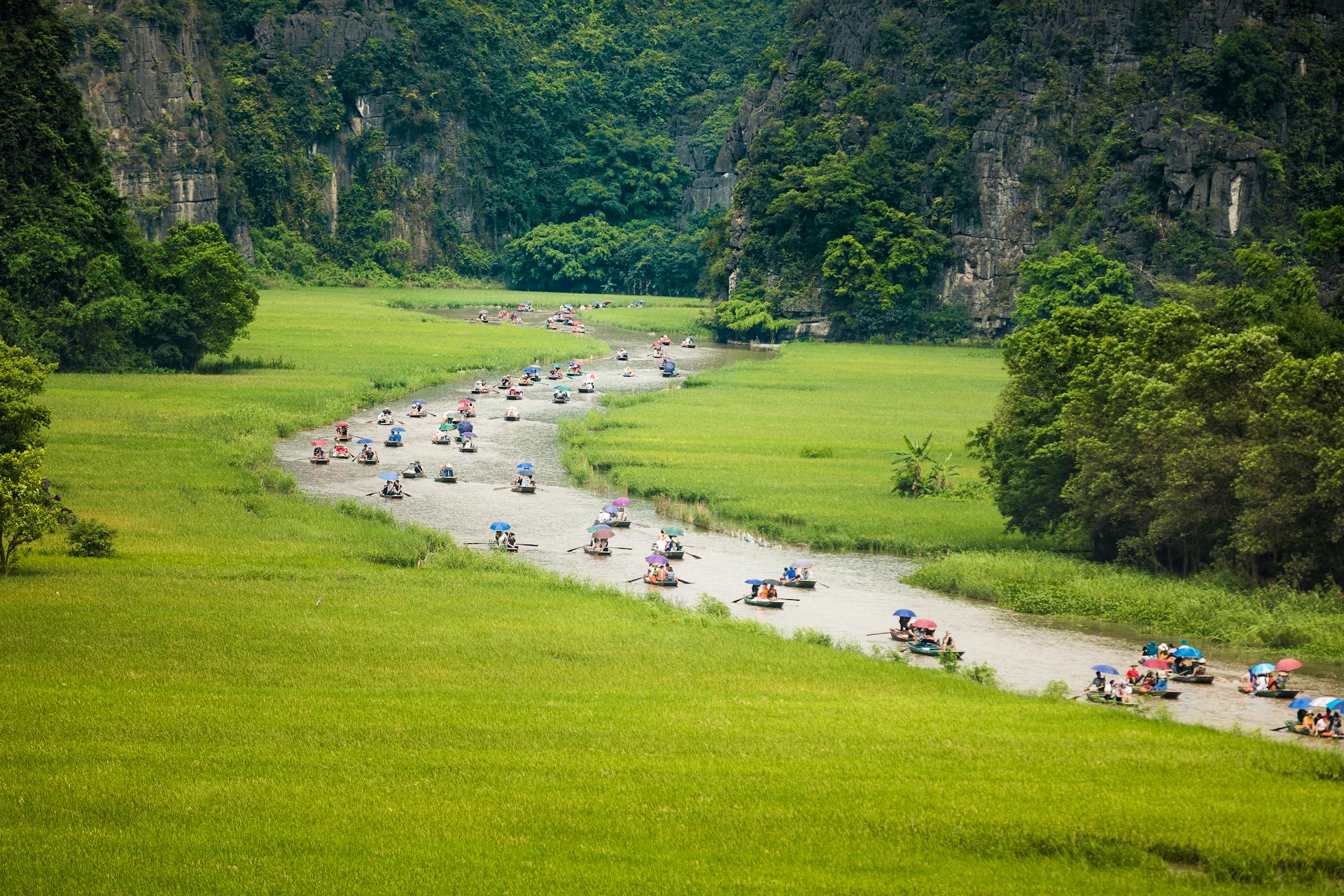
The tour begins at the official dock in Tam Coc town. It’s important to avoid the unofficial boat rides offered by locals nearby, these are tourist traps, where visitors often feel pressured into tipping or overpaying for snacks and drinks. Stick with the official service to avoid hassle.
Tickets cost 120,000 VND for entrance and 150,000 VND per boat, usually shared by two people. It’s common for boat rowers to suggest tips or offer items for sale. If you’re not interested, a polite but firm “no” is enough.
Bring water, sun protection, and a camera. If you’re visiting during harvest season, you’ll float through scenes that look straight out of a movie. Quiet, slow, and full of charm, but only if you choose the right tour.
Cycling Through the Golden Fields of Tam Coc
Tam Coc’s rice fields may not be as vast as those in Pu Luong or Mai Chau, but they’re incredibly scenic, especially when explored slowly by bicycle. One of the best things to do here is simply rent a bike and ride with no particular destination. The roads around Tam Coc are flat and easy to follow, winding through fields, villages, and beneath towering limestone karsts. No matter which way you turn, it feels like riding through a real-life painting.

For the most breathtaking views, time your visit for late May to early June. This is when the rice turns a rich golden color just before harvest. The Hang Mua viewpoint offers a spectacular overhead view, but cycling through the fields gives you a more immersive, up-close experience. There’s no bad direction here, every corner of Tam Coc is postcard-worthy.
Climb to Hang Múa Viewpoint
f you’ve ever seen photos of Ninh Binh, chances are they were taken from the top of Hang Múa. It’s one of the most iconic viewpoints in the region, and for good reason.
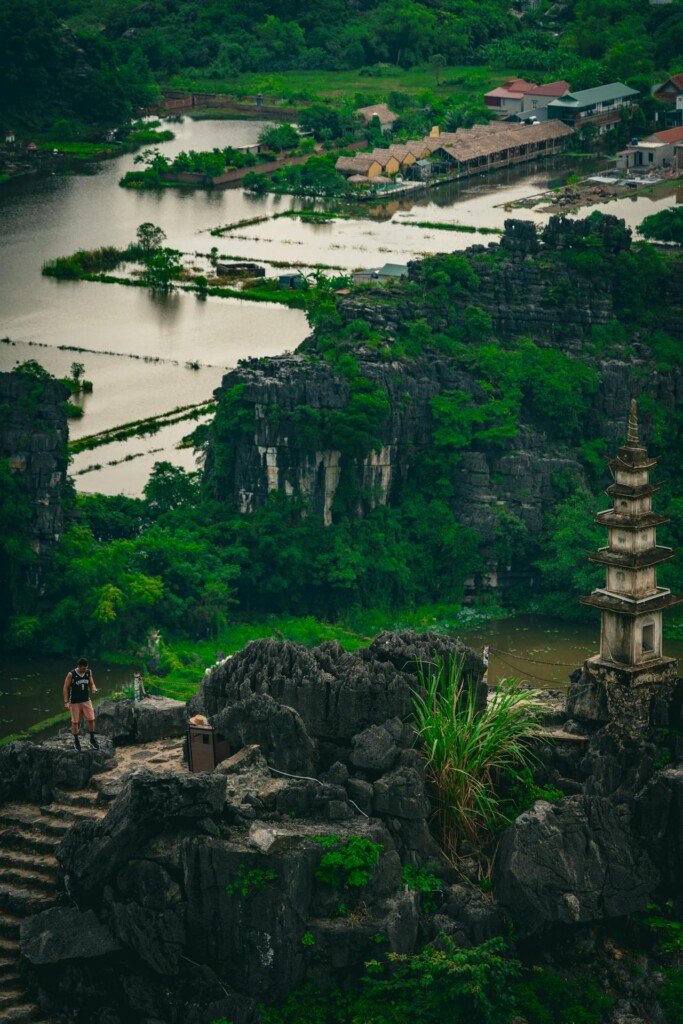
The hike starts with a steep but manageable staircase of around 500 stone steps, winding its way up a limestone cliff. The climb can feel challenging in the heat, but it usually takes just 15–20 minutes. The path splits near the top, leading to two separate peaks, and both are worth the effort.
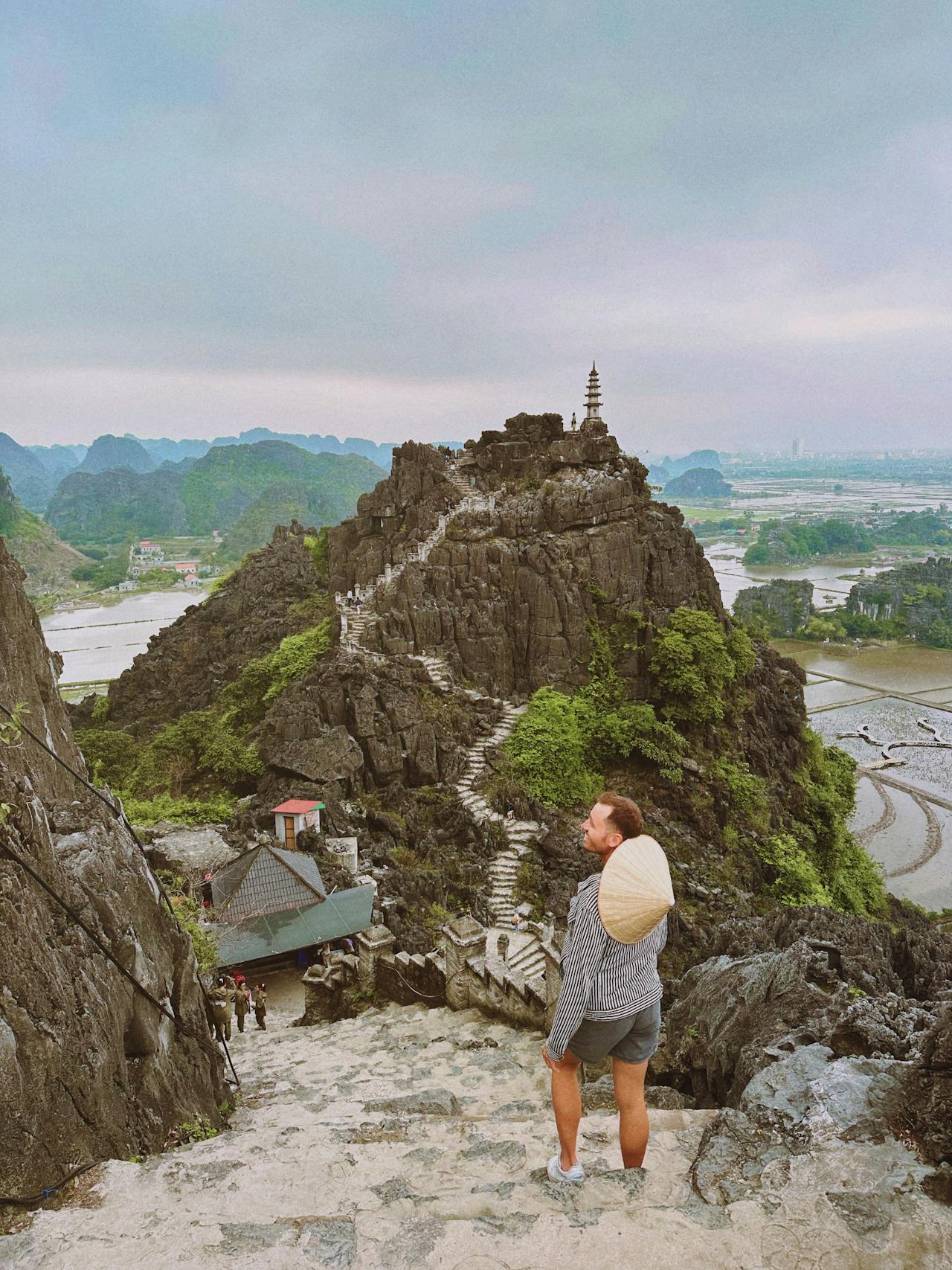
The higher peak, on the left side as you ascend, is crowned with a stone dragon sculpture that stretches along the ridge. This dragon isn’t just decorative, in Vietnamese culture, it symbolizes strength, prosperity, and rain, vital for agriculture. From this spot, you’ll get panoramic views over the Ngo Dong River, limestone mountains, and rice fields far below.
The lower peak is quieter, and from here you can see across to the bamboo bridge and valley below. There’s a small stone pagoda at the top, great for photos. Some visitors find this side more peaceful, though the narrow steps can feel a bit cramped when it’s crowded.
Try to visit early in the morning for sunrise, or late afternoon for sunset. These are the best times for light and cooler weather, but also the busiest. If you go mid-day, it’ll be hotter but less crowded.
Skip the cave, it’s at the base and honestly not that impressive. The real highlight is the view.
Hang Múa is only 4–5 km from both Tam Coc and Trang An, so it’s easy to reach by bicycle, scooter, or taxi. The entrance fee is 100,000 VND per adult and free for children under 1m tall.
Important tip: You can park right at the entrance for free. Ignore the “parking guys” waving you down before the gate, they’ll charge you extra and make you walk farther.
Bich Dong Pagoda
Bich Dong Pagoda is one of the most atmospheric places to visit in Tam Coc. Built into the side of a limestone mountain, this 15th-century temple complex has three levels: Lower (Ha), Middle (Trung), and Upper (Thuong) pagodas. As you approach, you’ll cross a small stone bridge surrounded by a lotus pond, a scene that looks like it belongs in a fairytale. Beyond the gate, a stone staircase winds up through the forest, leading to pagodas hidden inside shallow caves. Incense smoke, dim natural light, and looming statues give each level a mysterious, sacred feel.
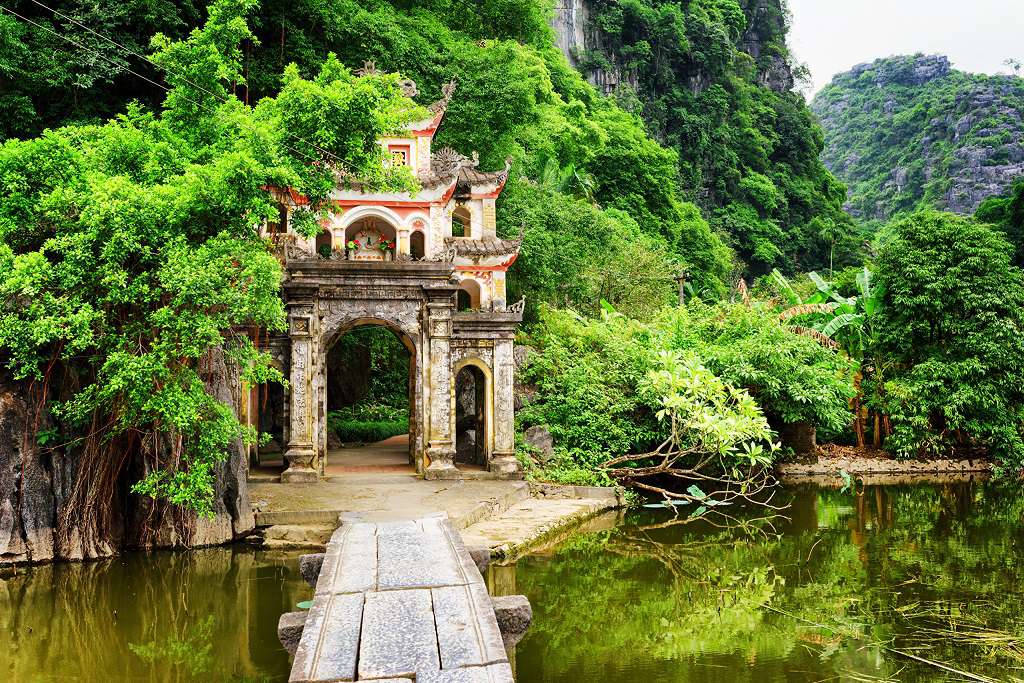
To reach the top pagoda, expect to climb around 160 steep steps. It’s a bit of a workout, but the view over the countryside, with rice fields, rivers, and limestone peaks, makes it worthwhile. The site is open all day and free to enter, though there may be a small parking fee (5k–10k VND). It’s best to go between 8 AM and 6 PM for safety and better visibility from the top. Allow about 1.5–2 hours to visit, especially if you want to sit and enjoy the quiet between each level.
Best Day Trips from Tam Coc
Hike in Cuc Phuong National Park
If you’re looking to spend a day surrounded by deep forest, ancient trees, and the sound of nature instead of honking motorbikes, Cuc Phuong National Park is your answer. Located about 1.5–2 hours from Tam Coc, it’s Vietnam’s very first national park and still the largest one. This place isn’t just about scenic trails, it’s a living conservation zone where endangered species like the Delacour’s langur and large-spotted civet still survive in the wild.
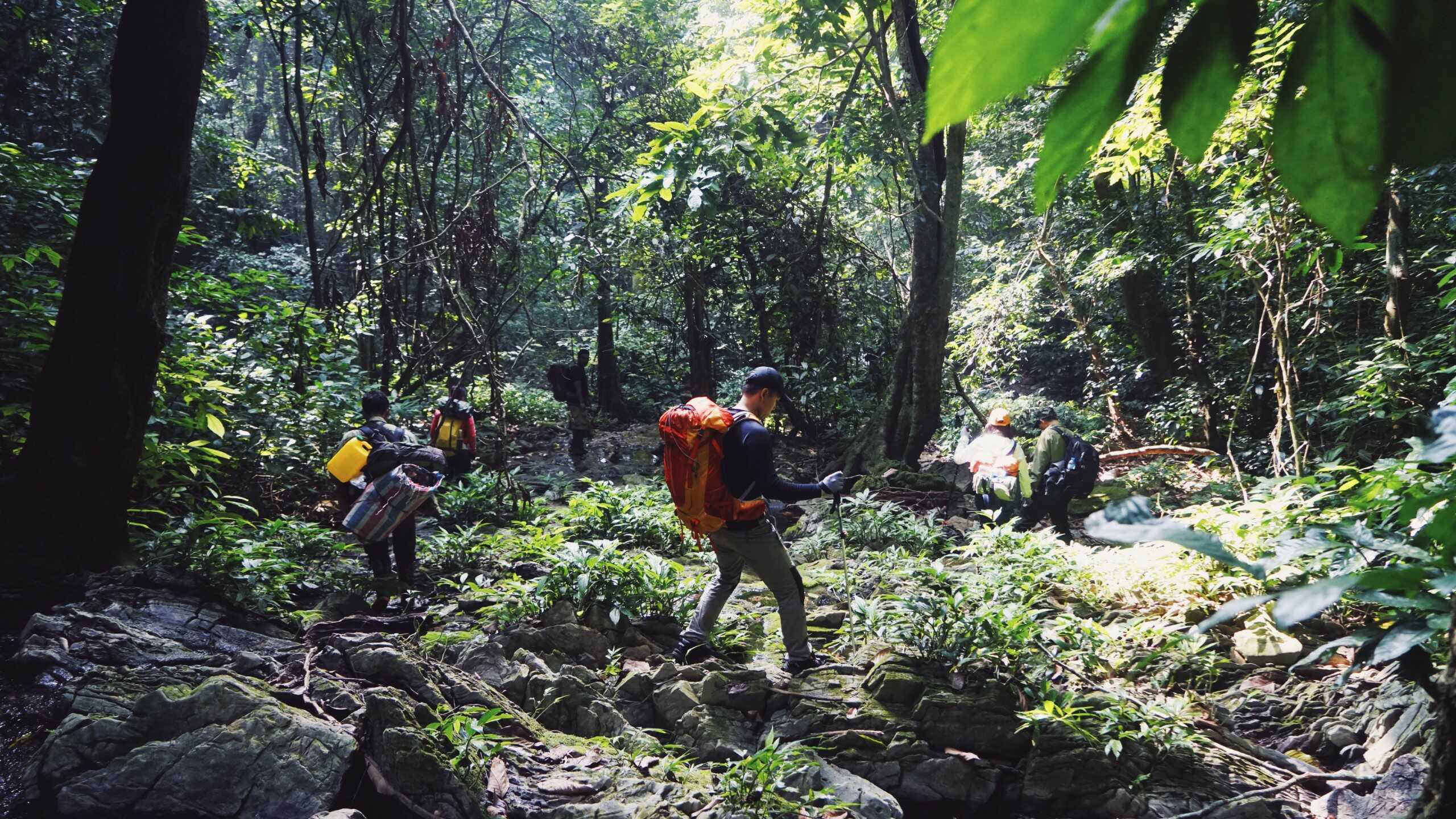
The park offers several hiking routes, ranging from short forest walks to longer half-day treks. While you can explore on your own, going with a local guide is recommended, not just to avoid getting lost, but to actually understand what you’re seeing. Guides will help point out rare trees, animal tracks, and even share conservation stories that you’d otherwise miss. Expect a half-day trip with basic facilities, humid jungle air, and real immersion into Vietnam’s oldest ecosystem.
Explore Bai Dinh Pagoda Complex
Bai Dinh isn’t just a pagoda, it’s an entire spiritual complex that spans over 1,700 acres, making it the largest Buddhist temple complex in Vietnam. Located about 30–40 minutes from Tam Coc, it’s one of the most important pilgrimage destinations in the country, especially during the Lunar New Year and spring festival season.
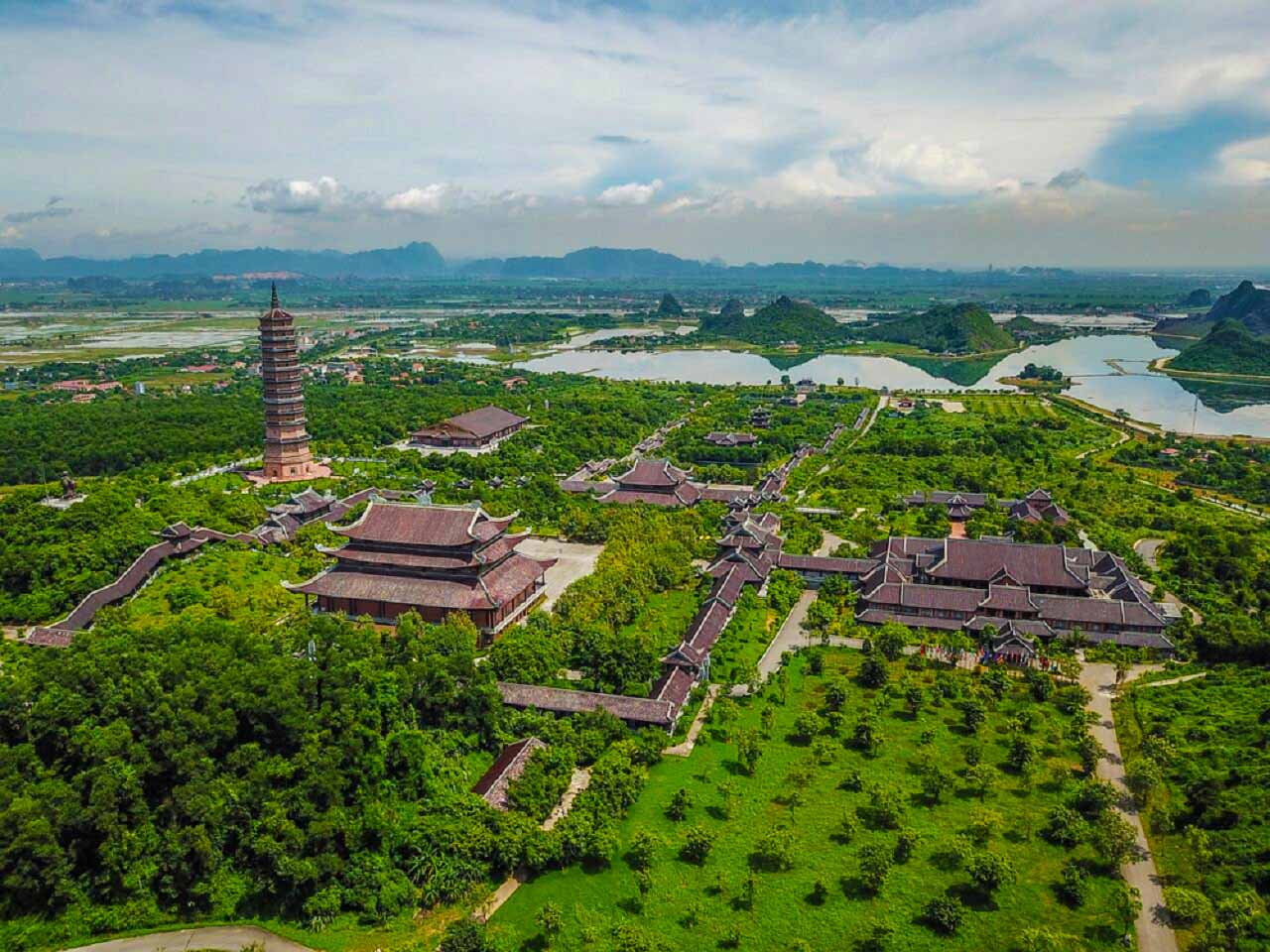
Visitors will find a blend of ancient and modern architecture here. The original temple, which dates back to the 11th century, sits quietly among the hills, while the newer constructions, including the massive stupa, the 10-meter-tall bronze Buddha, and a corridor of 500 Arhat statues, showcase traditional Vietnamese and Chinese design on a grand scale. It’s less about religious rituals and more about the scale, beauty, and peaceful atmosphere.
Due to the complex’s massive size, expect a fair bit of walking. Renting an electric cart (60,000 VND round trip) is highly recommended if you want to cover more ground comfortably. Entry is free, but parking costs around 40,000 VND. Plan to spend at least 2–3 hours here, especially if you want to explore both the old and new sections without rushing.
A Visit to Tuyet Tinh Coc (Am Tien Cave Area)
Tucked away behind towering limestone cliffs near the ancient capital of Hoa Lu, Tuyet Tinh Coc, also known as Am Tien Cave, feels like a hidden pocket of calm. Once used as a royal prison centuries ago, this peaceful mountain canyon is now a scenic spot with a lake, cave pagoda, and surrounding walking and biking paths.
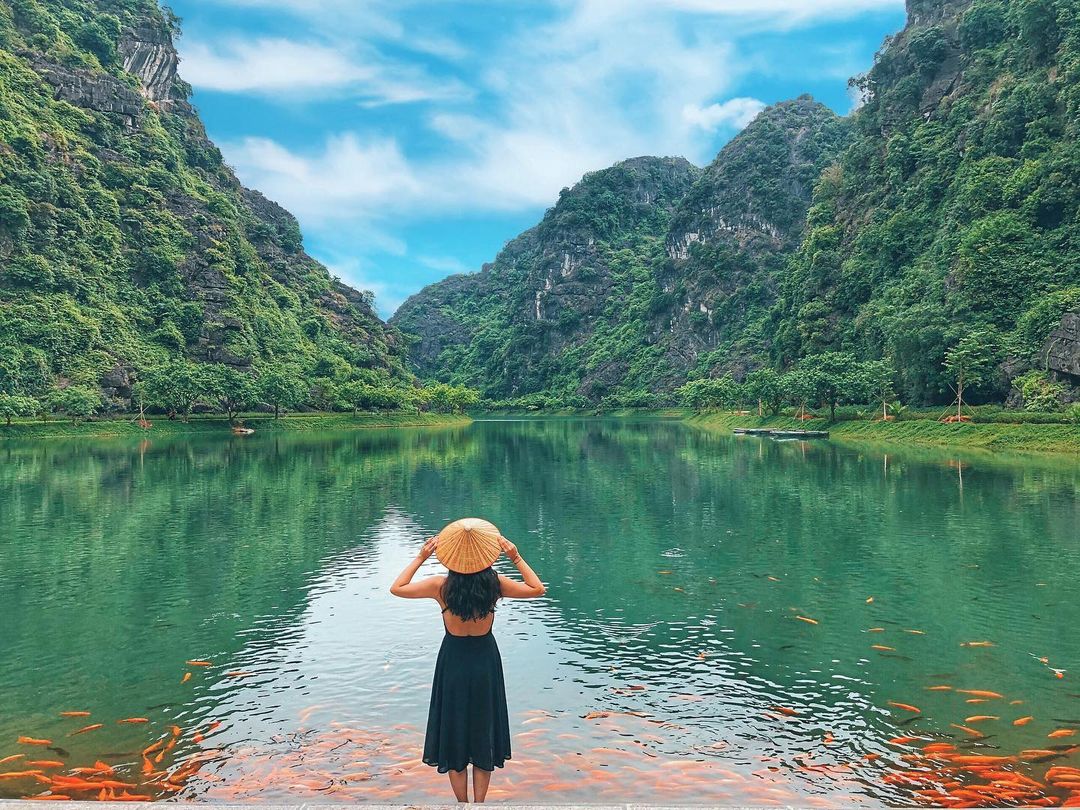
The only way in is through a tunnel carved straight through the mountain, which immediately creates a feeling of stepping into a forgotten world. Once inside, you’ll find a peaceful emerald lake surrounded by karst cliffs and a small Buddhist temple tucked into the rock face. The walking path around the lake is well-maintained, and you can also rent a bicycle (for a small fee) to circle the lake at your own pace. There’s a steep stairway that leads up to a viewpoint, offering a wide, cinematic view over the entire canyon, especially beautiful in the early morning when the light hits the cliffs.
Entry costs 50,000 VND. Allow at least 1– 2 hours to explore without rushing. It’s not overly crowded, especially on weekdays, and offers a much calmer alternative to some of the more popular stops in Ninh Binh.
Take the Trang An Boat Ride – A UNESCO Experience
If you only have time for one activity in Ninh Binh, make it the Trang An boat ride. Officially recognized as a UNESCO World Heritage Site since 2014, the Trang An Scenic Landscape Complex stretches over 6,200 hectares and is one of the most iconic natural and cultural sites in northern Vietnam.
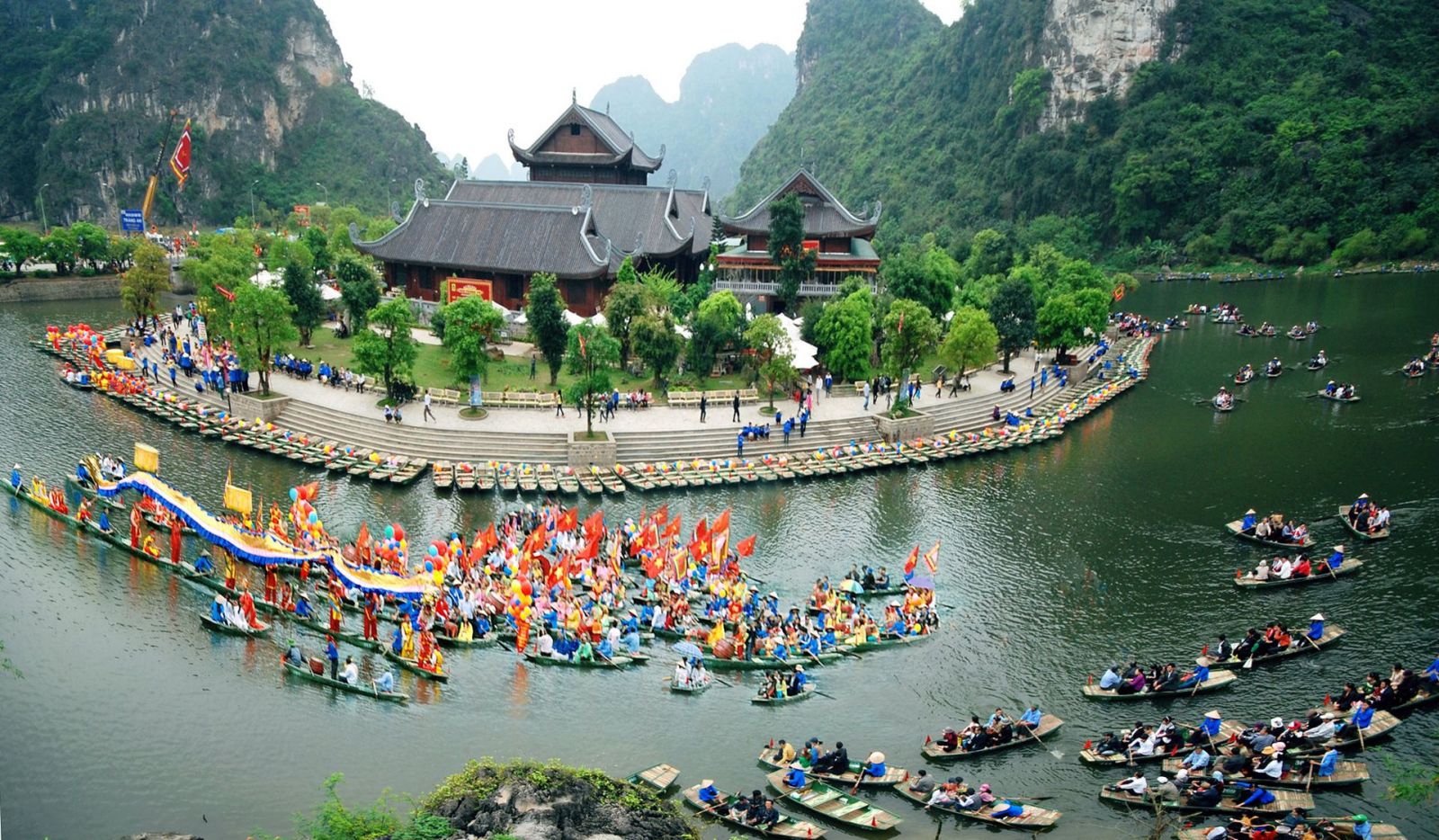
The boat ride is the only way to explore the area, and it’s well worth the time. You’ll sit in a small sampan (rowboat) paddled by a local, floating through a maze of tranquil rivers, karst limestone mountains, mysterious caves, and ancient temples. The water is so still it mirrors the scenery like glass, and at times the silence is broken only by the gentle splash of oars.
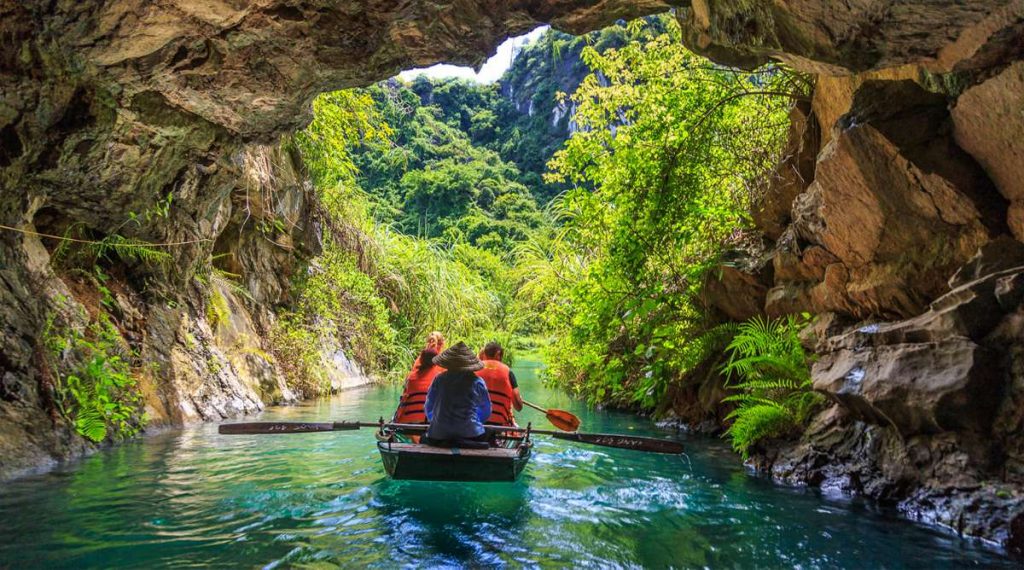
There are three routes to choose from. Each one takes around 1.5 to 3 hours, depending on the crowd and your pace. Whichever route you pick, you’ll stop at several small temples and caves along the way, including Trinh Temple, Toi (Dark) Cave, Sang (Light) Cave, and Nau Ruou Cave. Some caves are so low you’ll need to duck your head as the boat passes through. It adds a sense of adventure you won’t find elsewhere.
Tickets cost 150,000 VND per person (~$6.00), and each boat holds up to 4 adults. If you’re a solo traveler or couple, expect to share with others. Modest clothing is required as you’ll stop at sacred temples, cover your shoulders and knees out of respect.
And yes, parts of Kong: Skull Island were filmed here. Some routes include a stop at the replica film set, which makes a fun detour.
How to Get to Tam Coc from Hanoi and Beyond
Getting to Tam Coc is relatively easy, and you have a few solid options depending on your travel style and budget. Most visitors come from Hanoi, but you can also reach it from other cities like Hue, Da Nang, or even Phong Nha.
From Hanoi to Tam Coc
Tam Coc is located around 100 kilometers (about 2–2.5 hours) south of Hanoi. The most convenient way to get there is to first head to Ninh Binh City, and then continue on to Tam Coc, which is about 10–11 kilometers from the city center.
You can get from Hanoi to Ninh Binh by
- Minivan or tourist bus: These run multiple times a day, are easy to book online (via platforms like 12go), and often drop you directly in Tam Coc or nearby. This is the easiest and most popular choice.
- Train: The train is a scenic and relaxed way to travel, especially if you book a soft seat or sleeper berth. However, the train stops in Ninh Binh city, so you’ll need to grab a taxi for the final leg to Tam Coc. A taxi ride takes 10–20 minutes and usually costs between 100,000–160,000 VND (~$4–7). It’s a good idea to share the ride with other travelers if possible.
- Motorbike or private car: If you’re feeling adventurous, renting a motorbike gives you the freedom to explore the countryside on the way. A private car with a driver is another comfortable (but more expensive) option.
From Other Cities in Vietnam
If you’re coming from central or southern Vietnam, say, from Hue, Da Nang, Hoi An, or Phong Nha, there are a few reliable ways to reach Tam Coc. One of the best options is to take an overnight sleeper train to Ninh Binh, which is not only comfortable for long-distance travel but also lets you wake up closer to the destination. Alternatively, sleeper buses are a more budget-friendly choice, though they can be less comfortable depending on the provider. Another convenient option is to fly into Hanoi, then continue your journey to Tam Coc by bus or minivan.

What’s the Best Way to Explore Ninh Binh?
Exploring Tam Coc by bicycle is one of the most rewarding ways to take in the landscape. The roads here are mostly flat, quiet, and wind through some of the most stunning scenery in northern Vietnam, think golden rice paddies, karst cliffs, and peaceful riversides. You can easily cycle between Tam Coc and Trang An in about 30 minutes, and along the way, it feels like you’re pedaling through a postcard.
Most homestays in the area offer free bicycles, so you can simply grab one in the morning and start exploring at your own pace. It’s ideal for nearby attractions, and the slow rhythm of cycling lets you truly absorb the surroundings. If you’re feeling more adventurous or want to explore farther destinations like Cuc Phuong National Park or Van Long Nature Reserve, renting a motorbike is a good alternative. Most homestays can arrange it for you, just keep in mind that some rural roads can be quite bumpy, with gravel and potholes.
If neither option appeals to you, taxis are available and easy to arrange through your accommodation, especially for longer rides or if you’re traveling with luggage.
Where to Stay in Tam Coc
When visiting Ninh Binh, you’ll likely choose between staying in Tam Coc or Trang An – the two main base areas for travelers in the region, each offering a distinct experience.
Tam Coc is livelier and more central, with a walkable main street lined with cafés, restaurants, small convenience stores, and tour offices. If you like being within walking distance of food, services, and nightlife (as modest as it is), this is the place. It’s also where you’ll find a range of accommodations, from budget hostels to charming homestays. One of the more popular hostels here is The Banana Tree, which offers dorms and private rooms, a pool, and social spaces – ideal for solo travelers or anyone looking to meet others.
Meanwhile, Trang An is better suited for those seeking peace, nature, and a slower pace. There’s no real town center here – instead, accommodation is scattered across quiet backroads, often nestled beside rice paddies, rivers, or at the base of limestone cliffs. Most are family-run homestays, giving you a chance to experience rural Vietnamese hospitality up close. For example, Trang An Memory Homestay sits right along the river, surrounded by mountains – a great option if you want to wake up to birdsong instead of motorbikes.
When Is the Best Time to Visit Tam Coc?
Tam Coc is a year-round destination, but the best time to visit depends on what kind of experience you’re after – whether it’s vivid scenery, cooler weather, or local culture.
Late May to early June is hands down the most visually stunning period. This is when the rice fields along the Ngo Dong River start to shift from deep green to golden yellow, creating a surreal contrast against the karst limestone cliffs. The area around Bich Dong Pagoda also bursts into color with lotus flowers blooming across the lagoons. It’s hot and humid, and you might get afternoon showers – but the dramatic landscapes and vibrant atmosphere make it well worth it.
January to April is another great window, especially if you prefer milder weather and want to witness local culture. Temperatures are cooler and more comfortable, and the countryside looks lush. If you visit during Tet (Vietnamese Lunar New Year), which usually falls between mid-January and mid-February, you’ll also catch traditional festivals and see how locals celebrate this important holiday.
The rainy season runs from April to October, with high humidity and occasional short bursts of rain. It can get quite warm during the summer months, but don’t let that deter you – rain showers typically pass quickly and are often followed by bright skies. This is also when everything looks green and alive.
If you prefer cooler, drier conditions, consider coming from November to March. The weather is crisp, with less humidity, and it’s more pleasant for cycling or hiking, though the rice fields won’t be at their most colorful.